Liposomes, which were discovered in 1960, have become increasingly recognized as a viable and effective drug delivery system. Aside from therapeutics, liposomes and lipid nanoparticles (LNPs) have been studied in a variety of fields, including but not limited to medical imaging, cosmetics, and agriculture.
LNPs, which are very small lipophilic substances that have been extensively researched and clinically proven to be capable of safely and effectively delivering nucleic acid therapeutics, present themselves as a promising delivery system capable of improving drug selectivity and biodistribution. It has successfully entered clinical use for the delivery of mRNA; specifically, LNP–mRNA vaccines are now being used to combat coronavirus disease 2019. (COVID-19).
At Esco Aster, we can help develop your LNP formulations with our expert team of formulation scientists and provide contract manufacturing service with our fill-and-finish systems in an advanced facility to produce your product at large-scale quantities for clinical trials. We have the speed, reliability and expertise to collaborate with you through a turnkey solution from development to manufacturing .
Our lipid nanoparticle development and formulation services are applied in the following areas:
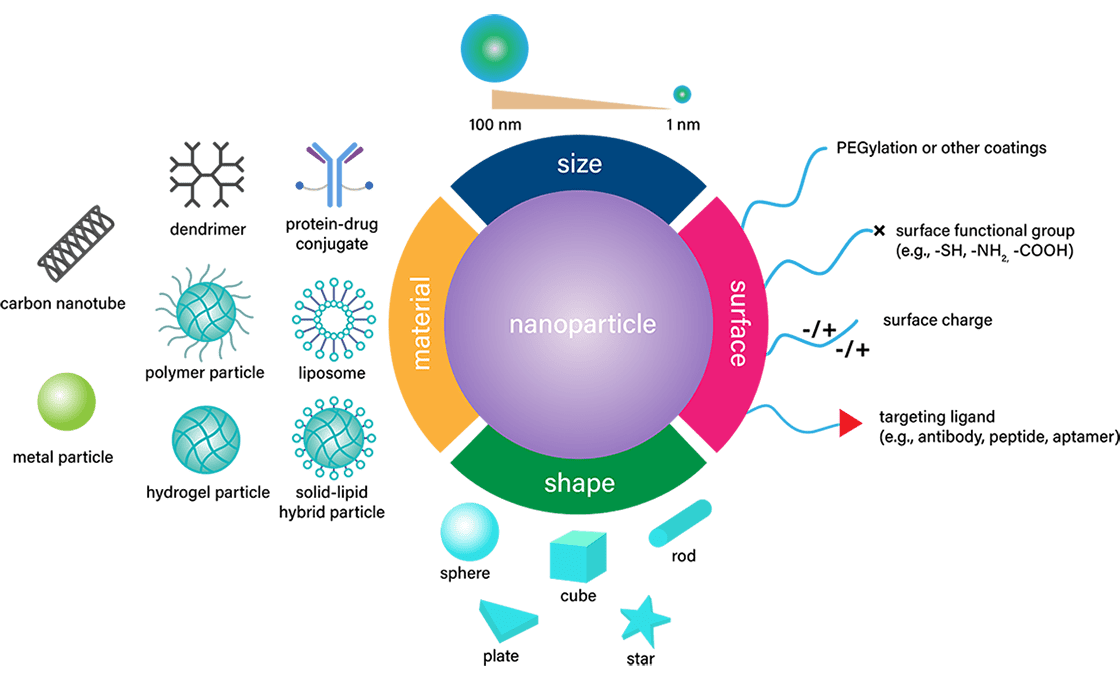
Nanomedicine is ideally placed to upend current standards in disease diagnosis, prevention, and treatment. It is a versatile technology that uses nanoparticle encapsulation of a wide range of substances to achieve a variety of clinical outcomes.
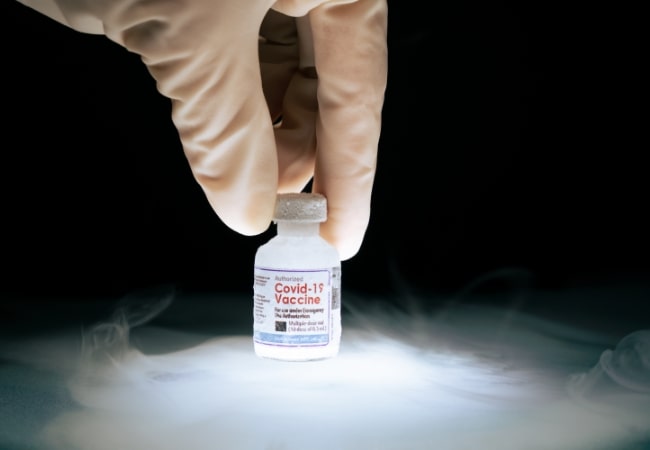
In the area of prevention, nanomedicine has proven to be a useful platform for the delivery of new vaccine modalities. Notably, two of the most widely used COVID-19 vaccines contain mRNA encapsulated in lipid nanoparticles (LNPs). This delivery system improves the stability, shelf life, and efficiency of mRNA delivery within the body.
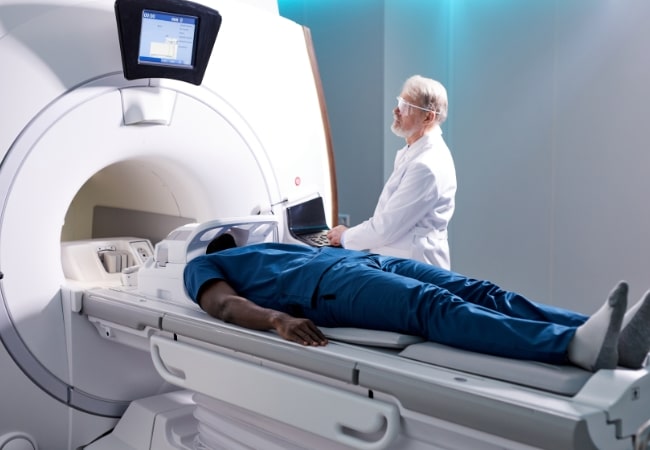
Nanomedicine has diagnostic applications as well. Various imaging modalities can be delivered using various nanoparticle types. Nanoparticles, for example, have been used to deliver and localize fluorescence markers in fluorescence imaging. The nanoparticles could be further modified to target specific cell types or organs.
Nanomedicine has the most diverse range of applications in disease treatment.
Encapsulating small molecule drugs, especially those with poor permeability and solubility, within nanoparticles enables their application by overcoming their pharmacokinetic limitations. Larger molecules, such as natural product analogs or their derivatives, can also be successfully delivered with nanoparticles.
Perhaps the most significant benefit of nanoparticle technology would be the ability to develop peptide and nucleic acid-based therapeutics. Because of their poor stability and susceptibility to degradation, peptide and nucleic acid therapeutics have been used sparingly in the past. Liposome encapsulation not only protects the contents from degradation, but in some cases, such as LNPs, it also facilitates cellular delivery of the payloads.
In addition, derivatization of the nanoparticles is another tool that is used to improve the delivery to the target sites, particularly for radioactive or chemotherapeutic agents.

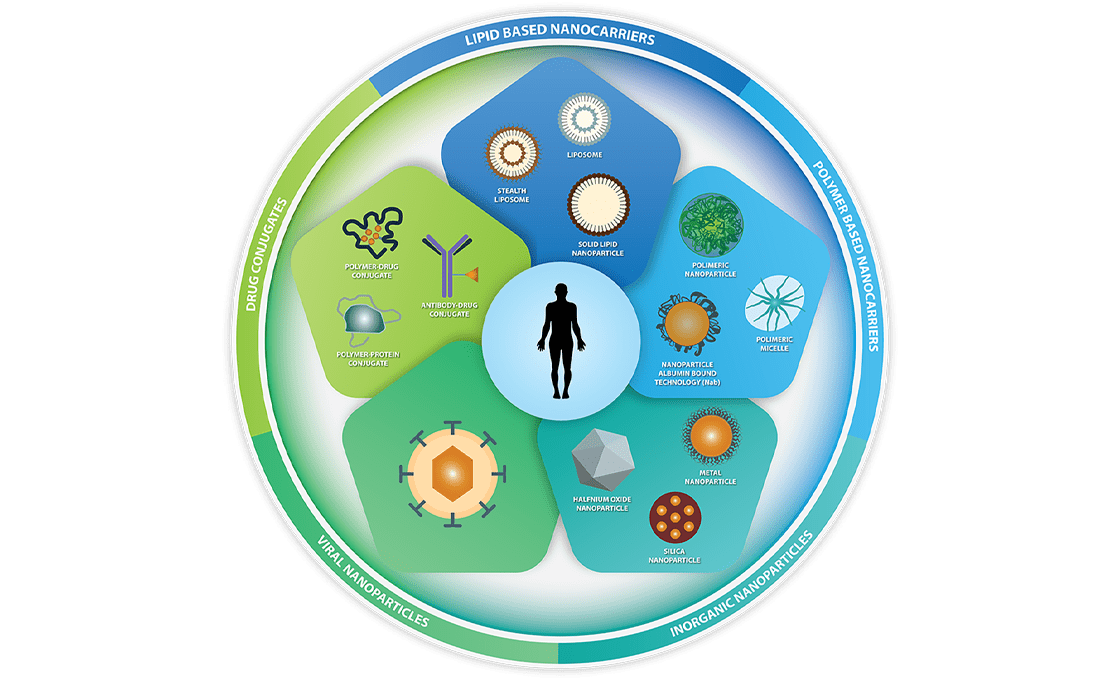
The promise of nanomedicines can be expanded to include early cancer detection as well as combination therapies that can begin treating tumors earlier and more effectively. Below is a diagram depicting an overview of the nanomedicines currently being studied in clinical trials for cancer treatment.
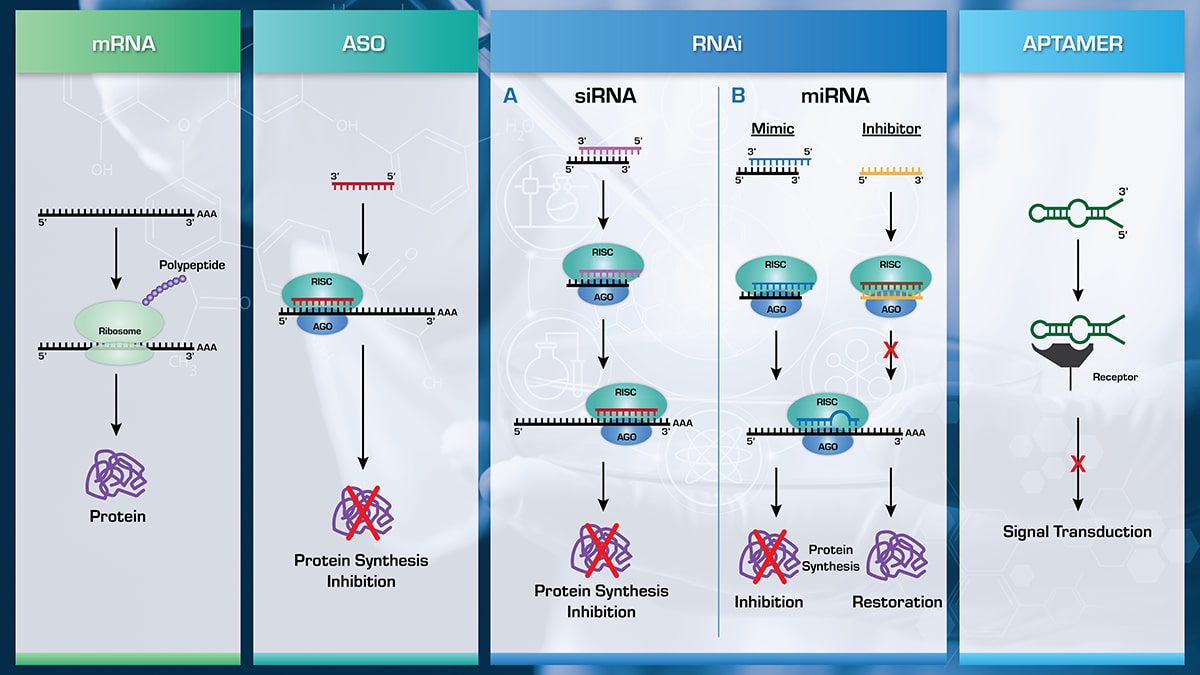
Advances in RNA manufacturing and lipid-based delivery platforms have permitted the development of RNA-based therapeutics for a wide range of applications, including previously untreatable illnesses. The FDA's approval of mRNA-based vaccinations against SARS-CoV-2 has accelerated the RNA-based therapy revolution.
Aptamers, anti-sense oligonucleotides (ASO), short-interfering RNA (siRNA), micro-RNA (miRNA), messenger RNA (mRNA), self-amplifying RNA (saRNA), and a closed loop or circular RNA are among the types of RNA molecules now being developed. RNA-based therapeutics are used as protein replacement therapies, vaccinations, or to prevent or change protein production. mRNA is also used in several cell-based therapeutics in clinical trials.
In addition, the lipid nanoparticle (LNP) platform for RNA administration has addressed some of RNA's intrinsic limitations as a therapeutic agent. LNPs with a cationic lipid, structural lipid, cholesterol, and a PEG lipid can encapsulate anionic RNA, preserve it from degradation, prolong its circulation, and facilitate cellular delivery.
RNA therapeutics is a rapidly emerging field with the promise to treat and cure diseases that were previously thought to be incurable. When combined with a flexible and adaptive LNP delivery platform, the possibilities for RNA therapeutics are nearly endless.
At Esco Aster, our team of scientists can support you through formulation development, scale-up, clinical and commercial manufacturing, as well as analytical development and testing of final products. We collaborate and guide our clients throughout each stage of product development.
First, we come together during this phase to understand your product objectives and develop a Target Product Profile. It could be the encapsulation of a commercially available material with a client-supplied payload, or custom synthesis of a wide range of substances. We also create a preliminary encapsulation formulation at this stage.
In order to optimize the formulation, a systematic design of experiments (DOE) study might be used, as requested by the client. This step will involve technology transfer to our facility if you currently have an optimal formulation. Our analytical team will be working on developing or porting existing methods to our site at the same time.
Clients will have to ensure they have the freedom to operate for their payloads, lipids and mixing systems.
A variety of payloads can be encapsulated into the LNP depending on your application. These include aptamers, anti-sense oligonucleotides (ASOs), mRNA, siRNA, saRNA and circular RNA. These payloads can either be provided by the client, or Esco Aster will work with our qualified partner to manufacture the payload required.
On this phase, Esco Aster works with its trusted network of suppliers to secure raw materials of the highest quality and right grade. We may also look into custom synthesis for small molecules or peptide-based active compounds with our in-house organic chemists.
Working with us gives you access to a dependable, cost-effective network of suppliers in the region, which is critical for eventual commercialization.
Esco Aster’s formulation scientists construct and optimize the formulation to achieve the goal attributes specified in the Target Product Profile, such as nanoparticle size, release behavior, and other factors.
Analytical Development works in tandem with the prototype development to help with the development of specialized analytical methods.
To ensure quality compliance and product safety, specific analytical methods and tools are used. Esco Aster’s analytical development team can create and choose robust test methods for testing product specifications. We can validate testing procedures and develop protocols to ensure that tests are accurate and meet global standards.
Esco Aster can also work with existing test methods and evaluate equipment suitability based on the formulation characteristics.
Esco Aster will now proceed through development in an iterative manner, always collaborating closely with you to gather timely feedback and improve the prototype. We are well equipped with cutting edge technologies for LNP production, including,
Additionally, our downstream processing capabilities for LNP purification take into account the fragility of LNPs, using technologies such as tangential flow filtration. Concurrently, we may also conduct optimization experiments to determine the design space of the process, providing crucial insight on the parameters of the production process.
At Esco Aster, we are able to support your progress to Contract Manufacturing seamlessly with the provision of scaling up services. At this time, selected formulations could be subjected to stability tests amongst others. The eventual goal is to offer a prototype with a clear path towards large scale manufacturing for eventual commercialization.
Esco Aster offers high-quality, GMP-compliant products that are suitable for clinical development or commercial delivery.
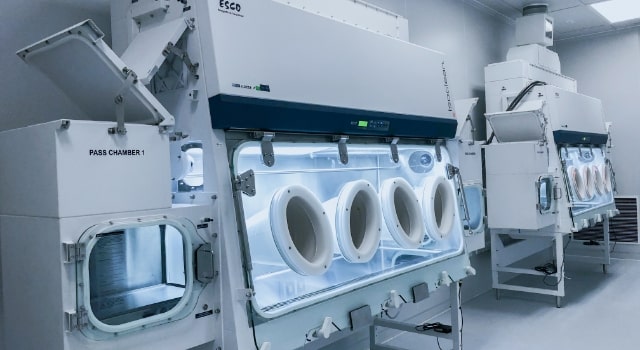
Our facility is equipped with both clinical and commercial manufacturing equipment for your needs.