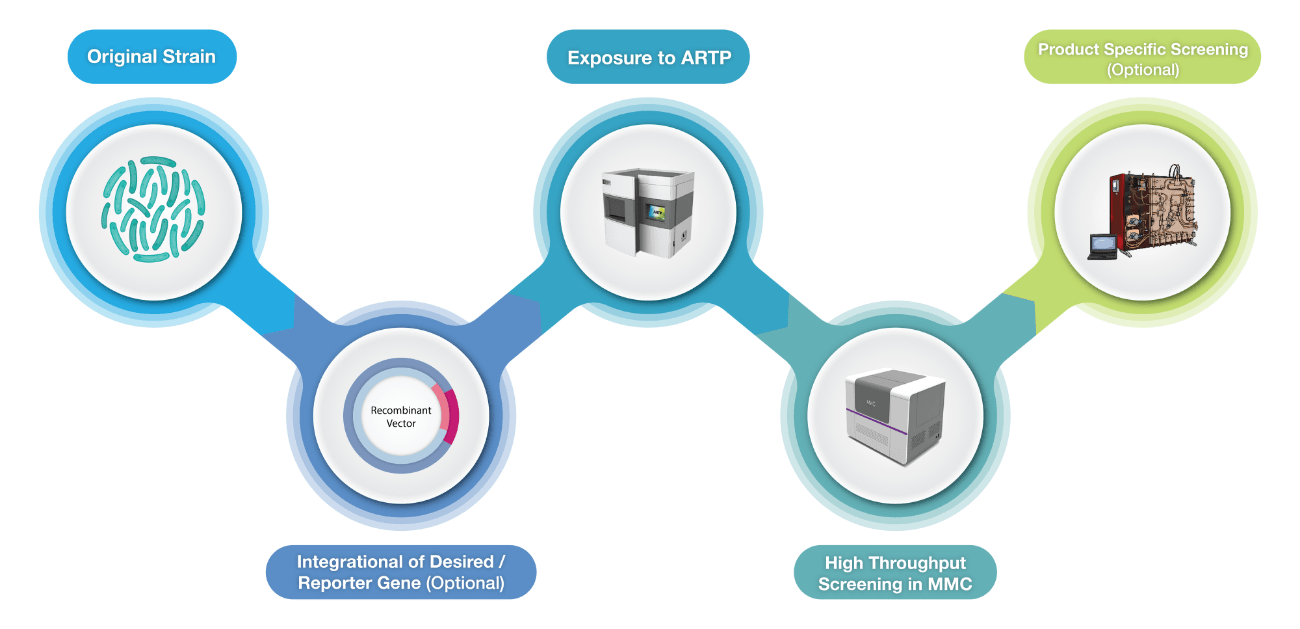
The expression of active and high-quality recombinant proteins, single-domain antibodies (nanobodies, Jotbodies) milk proteins, human milk oligosaccharides, plasmids, enzymes and other biopharmaceuticals is a crucial step in biopharmaceutical drug development, where activity and level of expression of proteins largely depend on the characteristics of the cell factory, the microbial strains.
Therefore, there is an inherent need to screen as many variables as rapidly as feasible to find an optimal and robust microbial strain to achieve a higher level of expression or biomass yield.
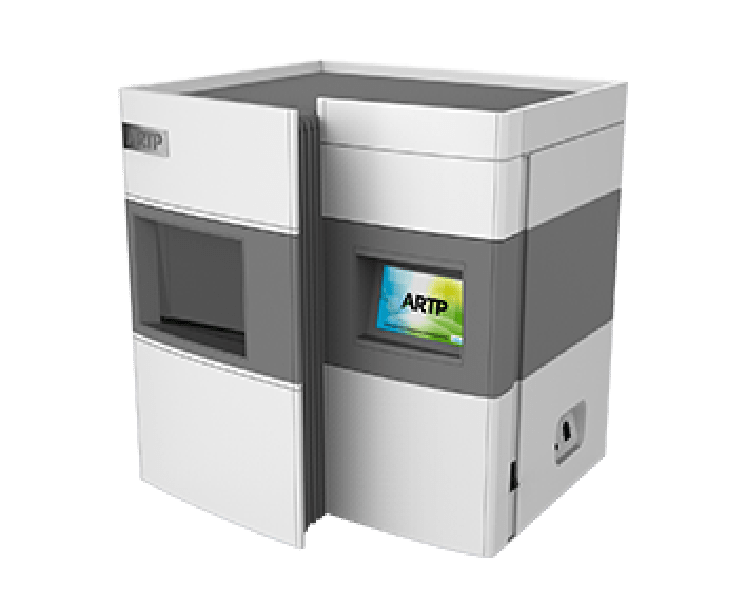
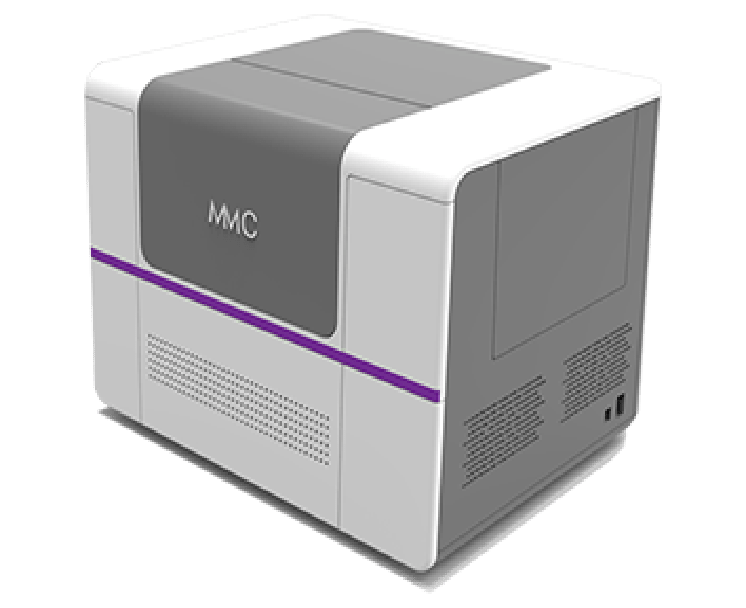
Leveraging the market demand for rapid biologics development, Esco Aster offers a strain development platform with state-of-the-art technology of random mutagenesis using Atmospheric Room Temperature Plasma (ARTP) technology and high-throughput and parallel screening of strains using Microbial Microdroplet Culture (MMC) system.
Combining these technologies, we can eliminate the limitations of conventional screening and save enormous time, labour, and cost.
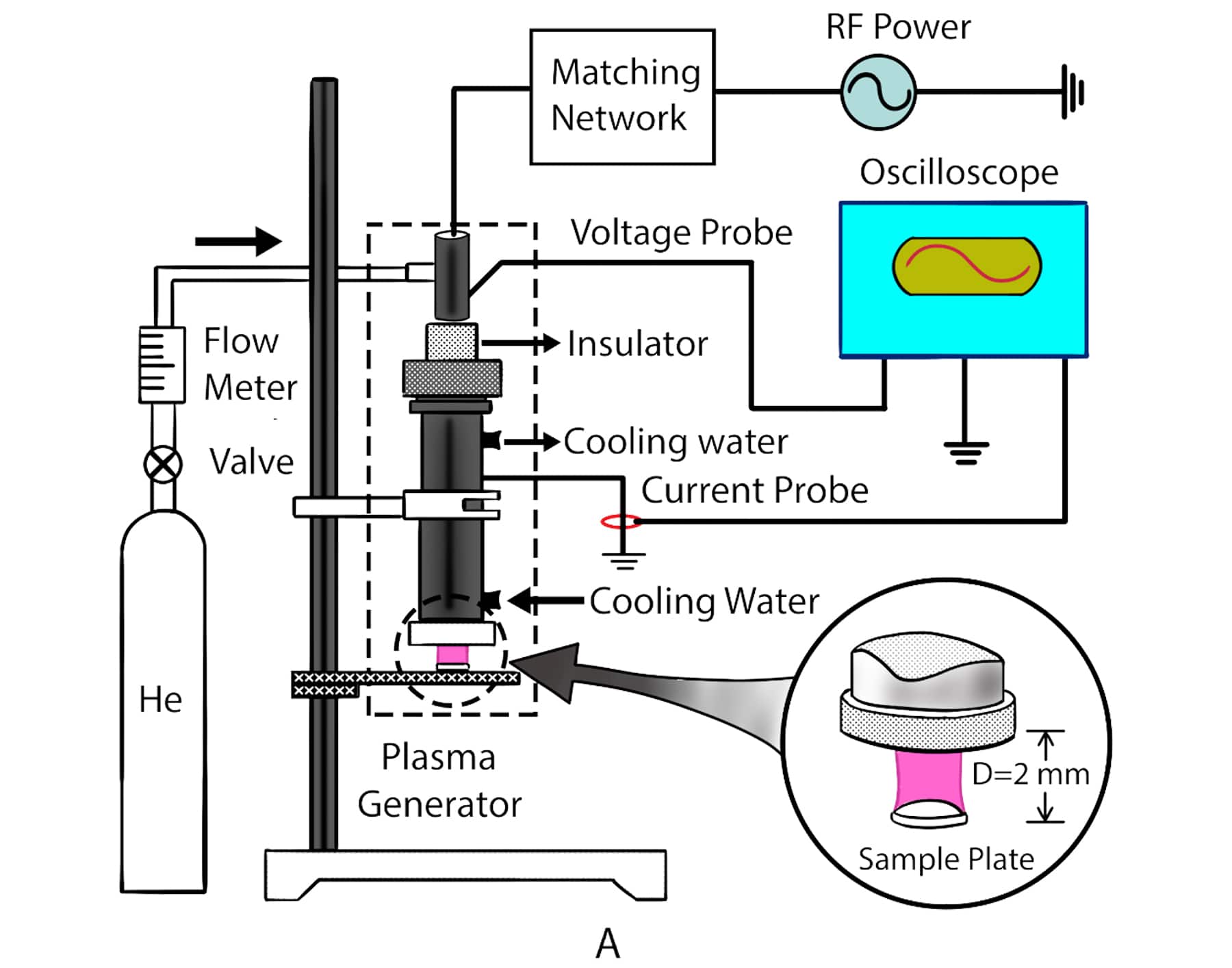
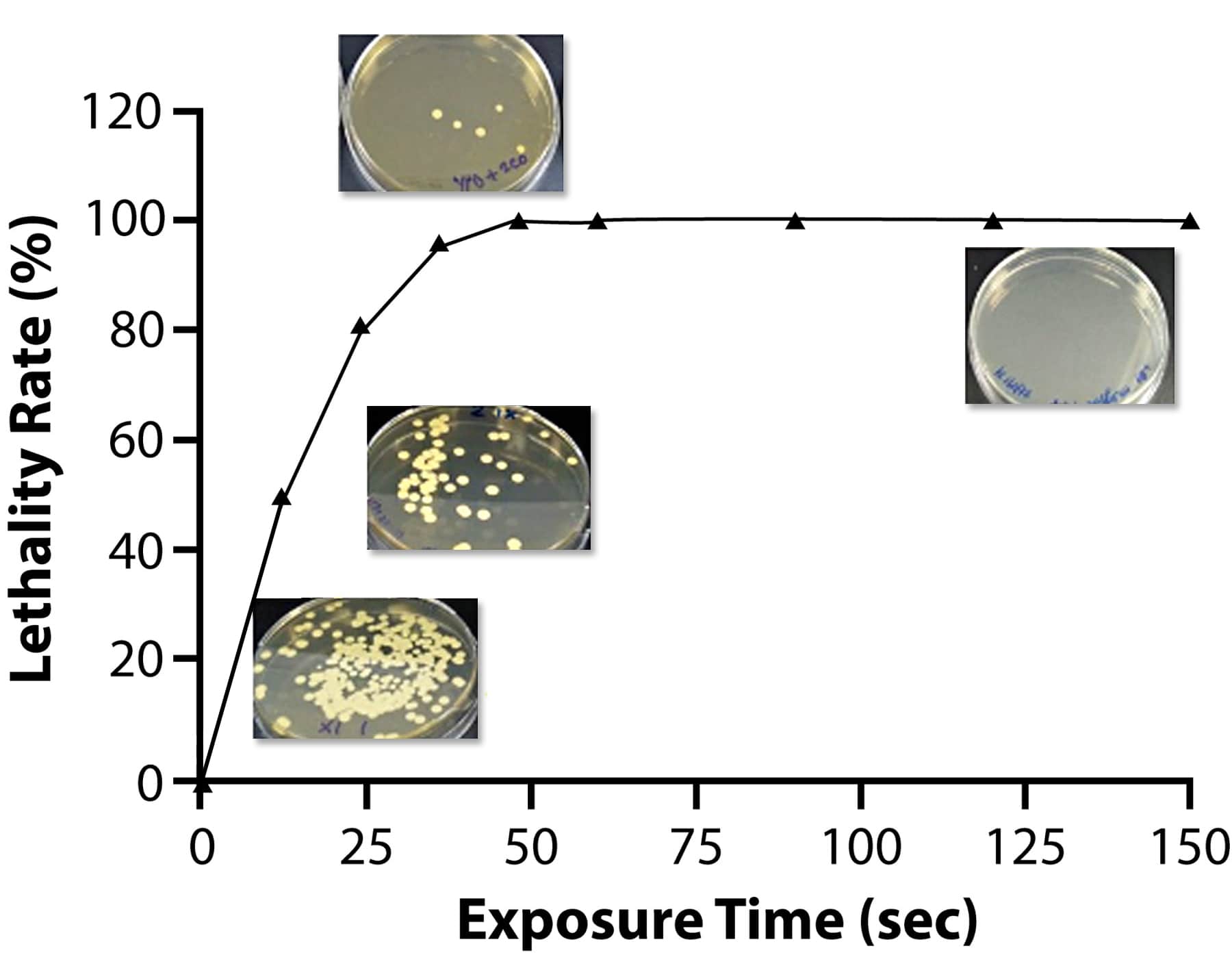
Utilizing Atmospheric Room Temperature Plasma (ARTP) technology which uses low-pressure plasma to randomly mutate the bases in DNA offers the advantage of high mutation rates, shorter processing time and environmental friendliness compared to other mutagenesis approaches like UV light, α-rays, β-rays, γ-rays, X-rays and chemical mutagenesis.
On the other hand, the Microbial Microdroplet Culture (MMC) system is designed to rapidly screen thousands of strains to identify the optimal production strain with improved phenotypes.
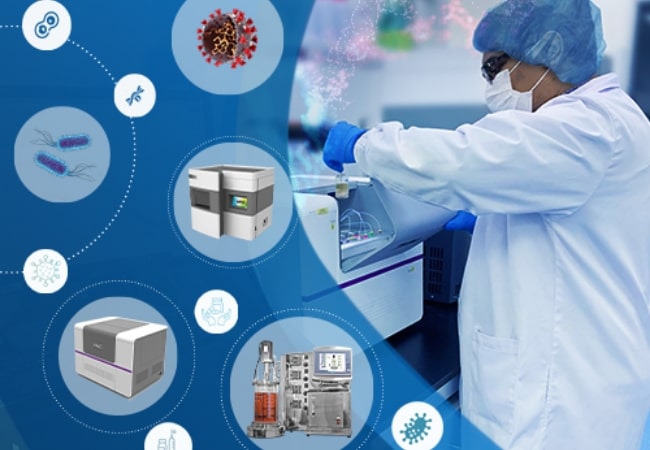
Atmospheric room-temperature plasma (ARTP) has been successfully developed as a helpful mutation tool for mutation breeding of various microbes and plants, and animals by genetic alterations. It is equipped with the traditional source of low-pressure gas discharge plasma with low-temperature plasma jet and uniform discharge and high chemical activity particle concentration characteristics.
The instrument has a high mutation rate, compact structure, easy operation, high safety and fast mutagenesis. A mutagenesis operation can obtain a large-capacity mutagenesis library that significantly increases the intensity and capacity of strain mutation. The combination of ARTP technology enables rapid and efficient evolutionary breeding of organisms.
The microbial fermentation process in conventional techniques are typically labour-intensive, low throughput, and poorly parallelized. Therefore, the methods are considered inefficient for optimization. The development of automated, modular microbial cell micro‐cultivation systems, mainly employing droplet microfluidics, has gained attention for their high‐throughput, highly parallelized and efficient cultivation capabilities. Microdroplet culture (MMC) system is an intelligent, automated, high-throughput microbial culture instrument designed based on droplet microfluidic technology. Each microfluidics chip contains up to 200 droplets which volume is only 2uL.
Microorganism can be cultured and transferred as the process as follows-
Microorganisms can be continuously cultured for as long as 15 days or 100 generations with MMC. Good performance strains can be screened according to the production status.
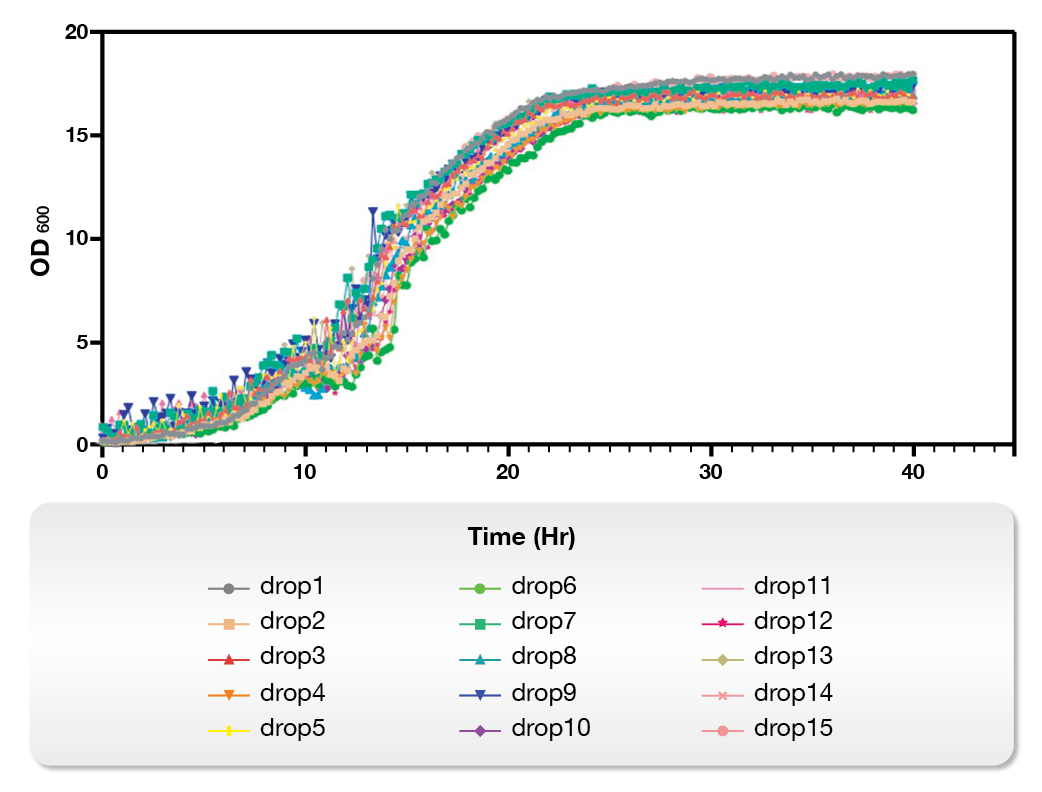
Growth Curve Determination
Growth curve can be determined for any optimized condition for microbial strains using multiple droplets in parallel to achieve robust and reliable data.
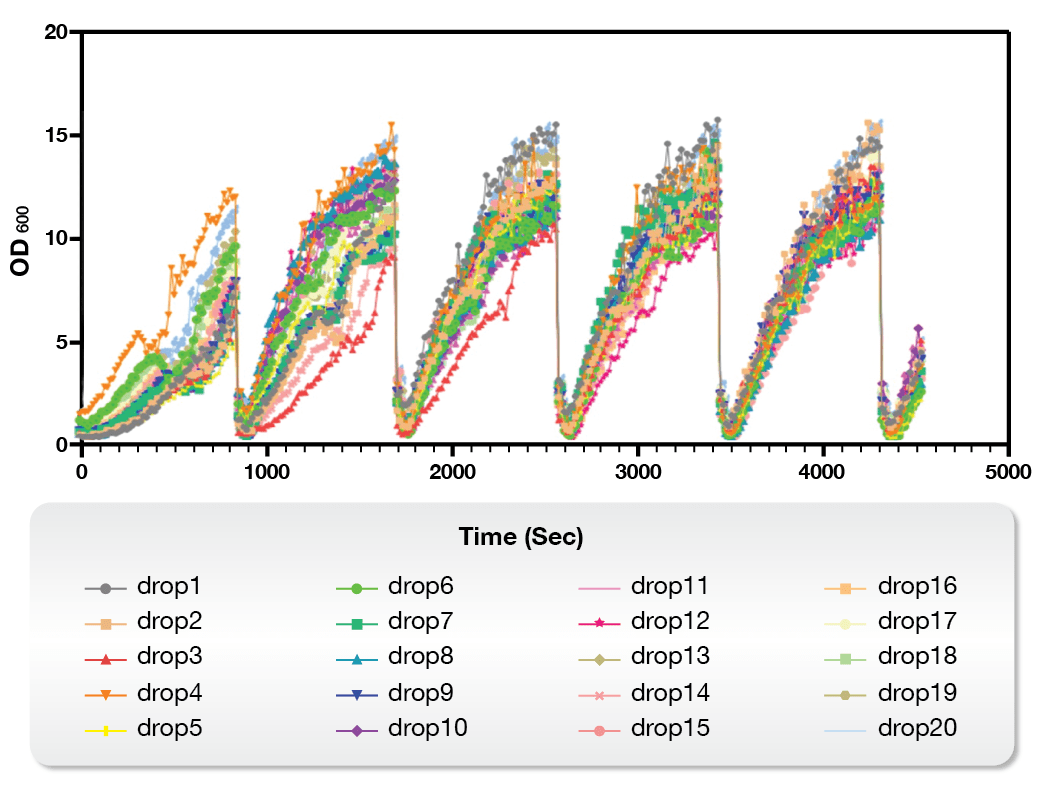
Adaptive Evolution and High-throughput Screening
Genetically-mutated strains can be screened using high-throughput screening over several generations by sub-culturing over several growth cycles.
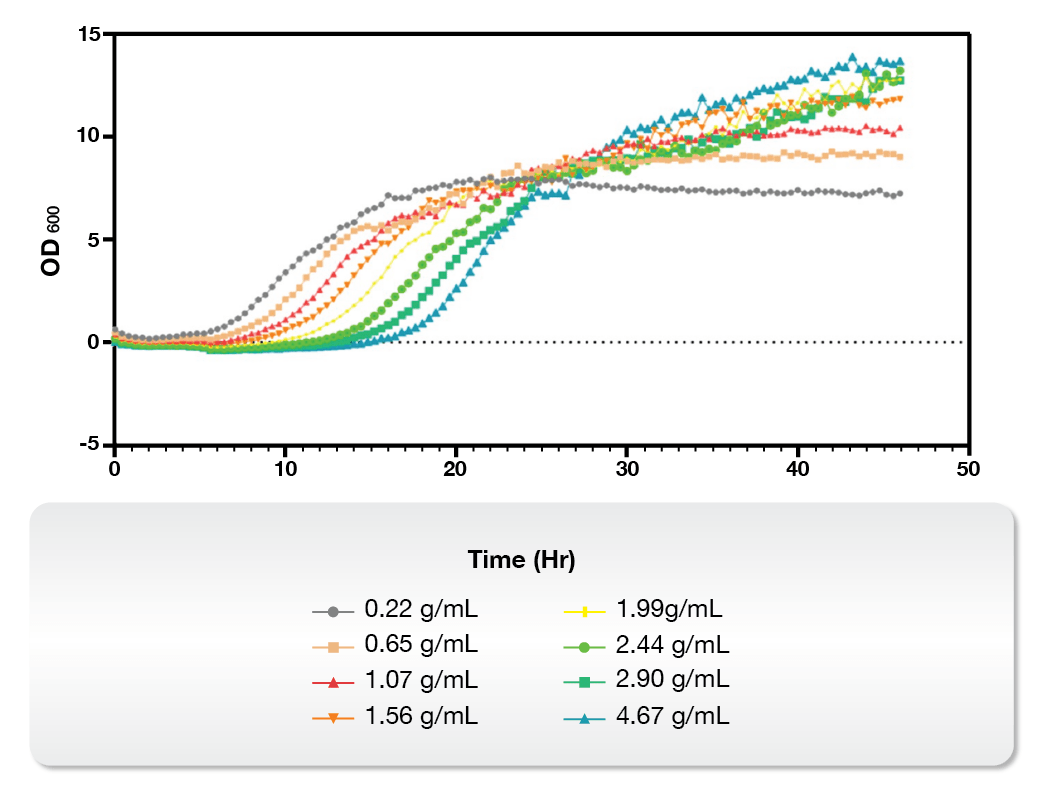
Single-factor Optimization
Single factor optimization can be performed to find the effect of one-factor over the growth of microbial strains such as concentration of salt, c-source, antibiotic etc.
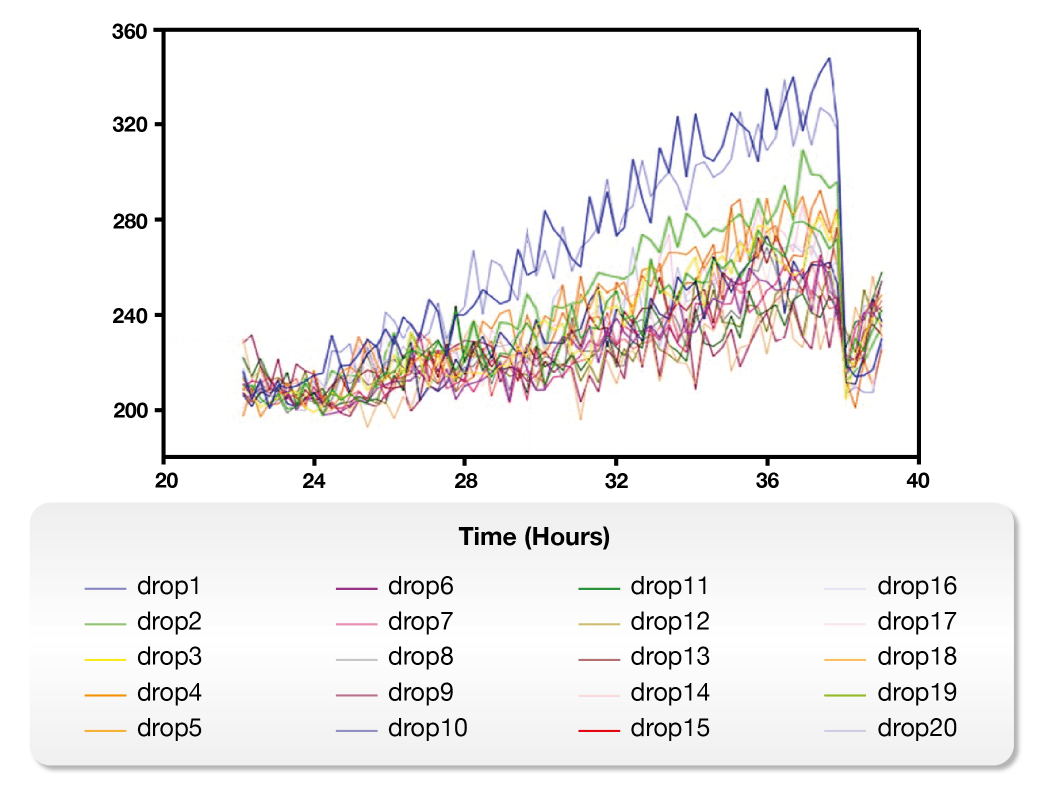
Screening of Secondary Metabolites’ Fluorescence Intensity
Expression of secondary metabolite can be screened using florescence protein e.g., GFP and expression level can be screened by measuring florescence intensity at fixed wavelength, 515 nm.
Some services are still being built up and ready only by Y2024. Please inquire for further information and updates through [email protected]