Overview
Cost of Goods (COGS) modelling and Techno-Economic Analysis (TEA) — also known as Techno-Economic Assessment — are critical components in the commercialization of advanced therapies, biologics, vaccines, cell and gene therapies, cultivated cell-based nutrition, dermocosmetics, and other bioindustries.
These analyses underpin Healthcare Technology Assessments (HTAs), which ultimately influence reimbursement pathways, government and private insurance coverage, national subsidy and co-payment programs, pricing strategy, long-term market adoption, and ultimately patient access.
In biotechnology, the process is often the product. Selecting a technology during early development that is not linearly scalable into commercial manufacturing can result in costly delays, inefficient capital deployment, underutilization of grant or investor funding, prolonged time-to-market, reduced competitiveness against alternative modalities, and a shortened effective patent life. For a blockbuster drug or therapy, every year of lost exclusivity can cost billions of dollars in foregone revenue — a branded drug generating US$3 billion annually loses approximately US$8.2 million per day of market exclusivity, with revenue typically declining by 80–90% within the first year of generic entry following patent expiry.
Early manufacturing missteps may significantly impact commercialization timelines and reduce the available market opportunity window. A rigorous and accurate COGS/TEA strategy is therefore essential to ensuring long-term commercial success. It provides a clear understanding of manufacturing economics, scalability, pricing structures, reimbursement alignment, and operational efficiency while enabling high-yield, cost-effective production.
Esco Aster utilizes proprietary financial and manufacturing models leveraging both our linearly scalable Tide Motion® bioreactor technologies and third-party manufacturing platforms to evaluate:
- Scale-up versus scale-out manufacturing strategies
- Facility process, personnel, starting material, finished product, and waste material flow
- Automation and manufacturing economics
- Technology transfer feasibility
- Manufacturing bottlenecks and yield constraints
- Capital efficiency and operational sustainability
- Product pricing and reimbursement viability
- Process scalability constraints
- Facility utilization efficiency
- Long-term commercial viability
Our analyses support strategic decision-making for companies evaluating whether to:
- Continue investing in proprietary process technologies or novel bio tools and biosciences to meet COGS targets
- Optimize process and manufacturing workflows
- Redesign manufacturing processes
- Pursue automation and digitalization strategies
- Transition from manual to automated or autonomous manufacturing systems
- Internalize manufacturing or outsource to CRDMOs/CMOs
- Commercialize through greenfield, brownfield, containerized, or hybrid facility approaches
A robust COGS/TEA assessment provides the economic justification and financial rigor for mission-critical business decisions, derisking investment while supporting long-term investment milestones, commercialization readiness, investor confidence, fundraising preparedness, and sustainable healthcare economics.
Where appropriate, Esco Aster can further support commercialization through our MSAT-as-a-Service offerings, helping clients refine process technologies to achieve target manufacturing economics and lower COGS.
Why COGS & TEA Matter
COGS and TEA analyses influence strategic decisions across the entire product lifecycle:
Manufacturing Strategy
- COGS modeling is particularly important when evaluating manufacturing strategies such as:
- Open processing systems utilizing Grade A biological safety cabinets within Grade B cleanrooms
- Closed single-use or reusable/autoclavable systems
- Semi-automated manufacturing with operator intervention
- Fully autonomous manufacturing systems operating in Grade C and/or Grade D cleanroom environments
- Scale-out versus scale-up manufacturing architectures
Quality Control Strategy
Beyond manufacturing decisions, quality control and compliance strategies can also significantly impact product economics. These considerations may include:
- Conventional versus rapid microbiological testing
- In-house versus outsourced quality control
- Environmental monitoring strategies including rapid microbiological testing
- Hybrid quality systems consisting of conventional / rapid.
- Paper-based versus electronic quality management systems (QMS) or hybrid.
Digital infrastructure and software architecture are increasingly important variables within COGS simulations given that the time and licensing fees to set up a paperless system may not be justifiable for a biotech startup depending on the stage, particularly when assessing operational efficiency, compliance readiness, and long-term scalability.
Commercial & Reimbursement Strategy
COGS and TEA analyses are also critical in determining sustainable product pricing strategies capable of recouping R&D investments while supporting reimbursement and market adoption. This is especially relevant in cell and gene therapy, where development costs are often substantial across
- Research and development
- Non-clinical Development Services
- GLP toxicology studies
- GMP manufacturing
- Clinical development
- Regulatory compliance
After accounting for R&D attrition rates (i.e., the costs associated with failed programs) and applying a 10.5% cost of capital, we estimate that the total clinical-stage R&D investment required to bring a new cell and/or gene therapy to market is approximately US$1.943 billion (95% CI: US$1.395–2.490 billion).
A well-structured COGS assessment enables companies to:
- Allocate capital and resources effectively
- Forecast expenses accurately
- Determine outsourcing versus developing in-house capabilities
- Reduce commercialization risk
- Improve investment readiness
- Support acquisition and licensing discussions
- Build credible long-term revenue models
A comprehensive COGS/TEA framework strengthens healthcare economic positioning, supports reimbursement discussions, derisks investment, improves accessibility of the final product, and enhances confidence among investors, strategic partners, grantors, and healthcare stakeholders.
Collectively, this enables more strategic, capital-efficient research, development, clinical, and manufacturing decisions while serving as a critical component of investor pitch decks, business plans, fundraising strategies, and commercialization roadmaps.

Our Offering
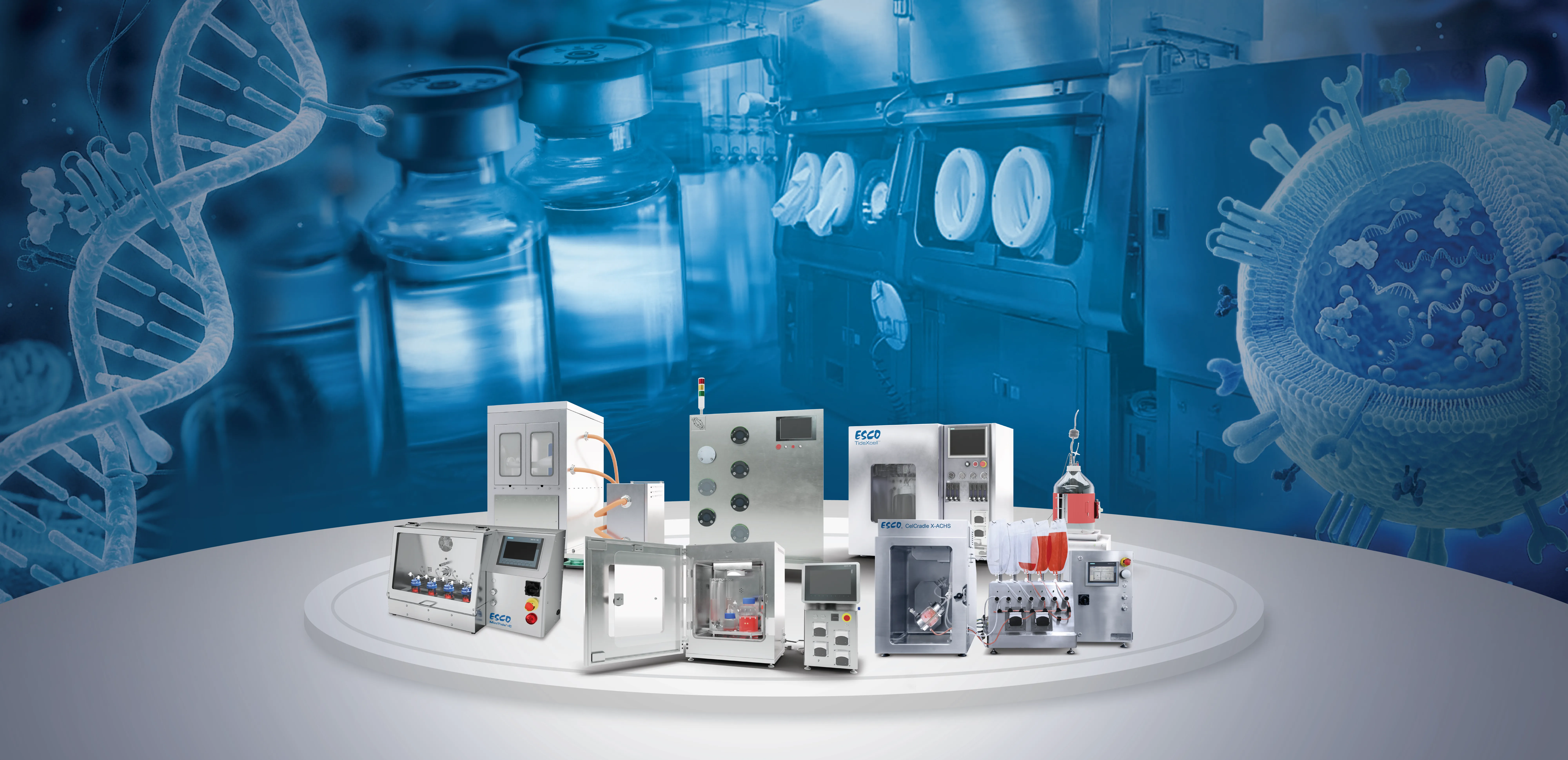
Esco Aster provides integrated COGS analysis and Techno-Economic Assessments utilizing:
- Scaled-down technology platforms that are linearly scalable such Tide Motion® bioreactor platforms
- Demonstration facilities for cell base nutrition in a food grade certified facility which serves as inputs into TEA modeling typically as an investment milestone.
- Plant economics with input from our Research Services (hyperlink) and Enterprise Solutions (hyperlink) Conceptual design.
- Digital manufacturing simulations and process modeling
Our linearly scalable manufacturing technologies allow us to perform plant-level economic modeling through integration with our Research Services and Enterprise Solutions conceptual design capabilities.
Our capabilities include:
Process & Manufacturing Modeling
- Upstream and downstream process economics
- Yield optimization analysis
- Process intensification modeling
- Automation and labor utilization studies
- Facility throughput simulations
Facility & Infrastructure Modeling
COGS/TEA can provide insights as well into which facility is best suited based on client process, budget and investment milestones in addition to deciding and evaluating to build their own cell processing facility partner with a CRDMO/CMO or adopt a hybrid approach which may involve initial outsourcing as commercial site is built in parallel.
- Greenfield versus brownfield economics
- Stick-built versus modular/containerized facilities
- Hybrid manufacturing approaches
- Utility and cleanroom optimization
- CapEx and OpEx forecasting
Strategic Manufacturing Planning
Manufacturing cost optimization is vital as cell and derivates may involve complex unit operations, specialized cell processing facilities with track-record, skilled biotechnicians and manufacturing scientists making cGMP/GMP manufacturing costs a key factor in success of commercialization.
A COG/TEA analysis may highlight opportunities for process optimization, true walk away automation after loading consumables, autonomous AI enabled manufacturing and strategic outsourcing.
Through our Enterprise Solutions conceptual design services, Esco Aster develops:
- CapEx and OpEx models
- Manufacturing throughput simulations
- Revenue projections
- Facility utilization models
- Investment milestone planning
- Commercial manufacturing strategies
- Build internal manufacturing capabilities
- Partner with CRDMOs/CMOs
- Adopt hybrid manufacturing models
- Transition from outsourced to internal production over time
These models are particularly valuable for:
- Biotech startups
- Cell and gene therapy companies
- Contract manufacturers (especially autologous therapy)
- Hospitals and medical centers (especially national cancer centers)
- Sovereign biotech initiatives
- Grantors
- Investors
- Nonprofits / Foundations
Our Enterprise Solutions conceptual design services enable clients to create board-ready financial models and investor-ready manufacturing strategies for capex approval from the company board of directors and pitch decks for fundraising.
Deliverables
Once the required client inputs are provided — or generated through Esco Aster Research Services — Esco Aster will provide:
Deliverables
- Customized COGS and TEA models tailored to the client’s process, modality, commercial assumptions and business plan
- Manufacturing technology roadmaps with scalability, automation, digitalization strategies, process intensification to meet COGs and future expansion planning. Cost optimization reports incorporating emerging manufacturing technologies.
- Financial forecasting models with revenue projections, pricing strategy analysis reimbursement assumptions based on HTA/Insurance/Medical subsidies assumptions, sensitivity analyses.
- Economic risk and gap analysis. Reports identifying: Cost reduction opportunities, process bottlenecks, technology risks, automation opportunities, long-term sustainability considerations
- Commercialization and investment milestone planning frameworks
- Manufacturing strategy assessments. Our analysis helps clients evaluate build-versus-buy analyses. Estimated CapEx models for greenfield, brownfield, modular, containerized, or hybrid facilities
This may include hybrid models where early manufacturing is outsourced while commercial manufacturing facilities are developed designed & built in parallel.
Manufacturing cost optimization is particularly important for advanced therapies due to:
- Complex unit operations
- Specialized cell processing requirements
- Skilled labor demands
- GMP facility infrastructure costs
- Regulatory compliance burdens
A COGS/TEA assessment may identify opportunities for:
- Process intensification
- Walk-away automation
- AI-enabled autonomous manufacturing
- Strategic outsourcing
- Continuous manufacturing
- Digitalization and smart factory integration

Benefits to Stakeholders
Grant Agencies & Public Institutions
Grantors benefit by ensuring funded technologies adopt scalable, economically sustainable manufacturing strategies that maximize capital efficiency and translational impact.
- Ensure efficient use of grant funding
- Support scalable and economically viable technologies
- Improve translation from research to commercialization
Biotech Companies & Startups
- Biotech companies and startups can execute development programs with greater confidence using robust COGS/TEA models to support:
- Improve investor confidence in investing in company
- Build credible commercialization roadmaps
- Optimize manufacturing economics
- Accelerate fundraising readiness
- Pricing strategies for larger serviceable obtainable market from total addressable market.
Esco Aster also utilizes client specific models in combination with our Strategic Capital (hyperlink) fundraising as a service
Biotech Companies & Startups
Investors can confidently move forwards with clear use of proceeds and milestone-based investment to commit funding whilst knowing that the cogs of final product and costs structure ensuring the final commercialized product from the biotech will be attractive for potential acquirer. A robust COGS analysis demonstrates financial acumen improving confidence of all stakeholders to support fundraising efforts and investor returns.
Cogs/TEA analysis can also be used to help acquirers determine fair licensing fee and acquisition costs of biotech company as well as determining final product cost competitive against other competitors in same or other modalities to determine competitiveness of acquiring biotech company as a toolkit in conjunction with our Business Development (hyperlink) as a service.
- Clear visibility into use of proceeds
- Milestone-based investment planning
- Understanding of commercial scalability
- Improved acquisition attractiveness
- Greater confidence in long-term margins and reimbursement viability
- Improved acquisition attractiveness
Academic Institutions & Technology Transfer Offices
Academics, technology transfer offices, and IP stakeholders benefit from implementing linearly scalable manufacturing technologies from the earliest stages of development, improving translational potential, facilitating outward licensing, and strengthening commercialization readiness.
- Enable linearly scalable technologies from R&D to Manufacturing hence improving licensing attractiveness as licensors do not need to repeat key experiments and can immediately translate benchwork into products.
- Seminal publications on technology and in vitro in vivo data is already collected utilizing linearly scalable technology allowing ease of translation to support translational and commercialization strategies
- Align IP development with manufacturing scalability allowing IP to potentially be more easily licensed out since the data is likely repeatable.
Healthcare Systems & Payers
- Improve affordability and accessibility to lifesaving medicines to increase healthspan, longevity and wellness not just lifespan especially for single payor insurance systems.
- Improve entering of vaccines into national health immunization programs
- Improve and accelerate healthcare technology assessment
- Support sustainable reimbursement models
A strong COGS analysis demonstrates operational and financial discipline while increasing confidence in commercialization success and long-term investor returns.
COGS/TEA analyses may also support:
- Licensing negotiations
- Acquisition valuation assessments
- Competitive benchmarking against alternative modalities
- Strategic business development initiatives

Use Cases
Ensuring that final patient costs for life-saving medicines and therapies remain affordable is especially important for single-payer insurance systems, government medical subsidy programs, and private insurers seeking to provide equitable access to medicines, vaccines, and therapies.
iPSC & MSC Manufacturing
Esco Aster provides cost modelling insights utilizing high-throughput automation and time-motion studies to automate manual cell culture operations, typically delivered through our MSAT-as-a-Service and Research Services offerings.
Esco Aster can develop conceptual facility designs through digital twin modelling, with estimated CapEx based on the dose volumes required to meet specific cost targets, ensuring that the final product is viable for broad social implementation.
Automation is applicable to a variety of cell types, as well as 2D, spheroid, and embryoid body culture formats, particularly for induced pluripotent stem cells (iPSCs) and embryonic stem cells (ESCs).
Esco Aster provides cost modelling, front-end engineering, and automation studies including:
- High-throughput automation studies
- Labor and time-motion analysis
- Digital twin facility simulations
- Cost-per-dose modelling
- Scale-up planning for 2D, spheroid, and embryoid body formats
Applicable cell types include:
- iPSCs
- ESCs
- MSCs
- Cell derivatives

Cell & Gene Therapy
Cost modelling for cell and gene therapy is particularly important to ensure that the final product remains cost-competitive against other drug modalities, including bispecific T-cell engagers, Tri specific monoclonal antibodies, peptides, nuclear medicines, antibody–drug conjugates, and other conjugate therapies.
COGS modelling is essential to determine the competitiveness and scalability of:
- Autologous versus allogeneic therapies
- Ex vivo versus in vivo approaches
- In vivo viral vector versus non-viral delivery systems (including LNP, exosome, and hybrid delivery strategies)
Given the high cost of gene therapy manufacturing and the significant yield losses associated with downstream processing, detailed economic modelling of AAV manufacturing is critical to ensure commercial competitiveness and acquisition attractiveness.
We evaluate:
- Dose economics
- Yield losses
- Vector manufacturing costs
- Downstream recovery efficiency
- Automation opportunities

Human Vaccines
In human vaccines, cost modelling is important for determining healthcare economics and informing decisions on whether a vaccine should be included in a national health immunization program — weighed against the cost of pandemic or disease burden — or subsidized for specific populations such as the elderly (e.g., influenza vaccines) or adolescents (e.g., HPV vaccines for cancer prevention), where population-level implementation economics are a critical consideration.
Vaccine economics are critical in evaluating:
- National immunization programs
- Pandemic preparedness
- Elderly subsidy programs, such as for influenza vaccines
- HPV and influenza vaccination strategies
- Cost versus disease burden analysis for healthcare economics
This is particularly relevant for vaccines such as influenza and HPV.

Animal Health
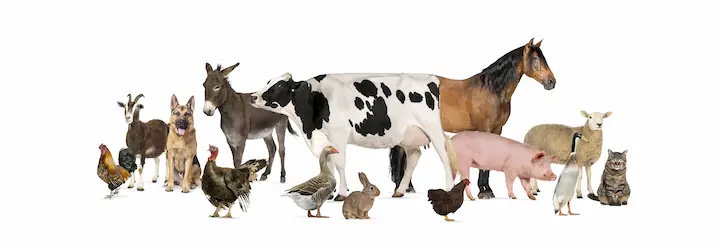
In veterinary and livestock health, manufacturing economics are critical to ensuring affordable access while reducing zoonotic disease risks.
Cost reduction is especially important in animal health to ensure broad access to affordable vaccines for both companion animals and livestock that support global food and nutrition systems. Beyond economics, effective vaccination programs are essential for preventing zoonotic disease transmission from animals to humans — increasingly pertinent given that over 90% of emerging human infectious diseases originate from animal sources. Maintaining control of viral threats through scalable and cost-effective vaccination strategies may help prevent future “Disease X” pandemics.
Companion animals are also playing an increasingly important societal role — not only as family members in modern households, but also as essential working animals across agriculture, military operations, security, mobility assistance for the visually impaired, and therapeutic care.
Esco Aster’s perfusion-enabled Tide Motion® bioreactor platform, combined with high-productivity adherent CHO/HEK antibody generation systems and integrated simulated moving bed (SMB) or real moving bed (RMB) column less single-use continuous chromatography platforms, enables next-generation process intensification. This integrated approach supports higher productivity, lower cost of goods (COGS), a reduced facility footprint, and scalable continuous biomanufacturing for advanced animal health biologics and vaccines.
In veterinary and livestock applications, manufacturing economics are vital to:
- Maintain affordability
- Prevent zoonotic disease spread
- Support food security
- Enable scalable vaccine production
This is increasingly important given that many emerging infectious diseases originate from animal reservoirs.
Applications include:
- Livestock vaccines
- Companion animal therapeutics
- Monoclonal antibodies
- Continuous bioprocessing systems
Esco Aster’s Tide Motion® perfusion technologies and process intensification strategies can support high-productivity adherent CHO/HEK manufacturing integrated with continuous downstream purification systems.
Biosimilars & Biobetters
With evolving regulatory pathways and reduced bridging study requirements in certain jurisdictions, process intensification and continuous manufacturing are becoming increasingly important for biosimilar and biobetter development.
Esco Aster supports:
- Continuous upstream and downstream intensified process integration
- Cost reduction strategies relevant to developing countries, where single-use systems may carry a higher relative cost compared to markets with lower-cost qualified biotechnicians
COGS/TEA modelling supports the optimization of these advanced manufacturing approaches to ensure that the final commercial product is cost-competitive with the originator.
Dermocosmetics & Cosmeceuticals
Dermocosmetics — including cosmeceuticals, medicated cosmetics, and quasi-drugs — represent an emerging category of science-driven, clinically validated dermatology products.
For dermatology-driven cosmetic products, TEA modelling supports:
- Manufacturing scalability
- Ingredient cost optimization
- Pricing strategies
- Consumer accessibility
- Commercial feasibility

Clinical Nutrition, Nutricosmetics & Nutraceuticals
For cultivated nutrition, supplements, and nutraceuticals, achieving price parity is often critical to commercialization success.
COGS/TEA analysis helps to:
- Select scalable manufacturing technologies
- Determine commercialization feasibility
- Optimize unit economics
- Support investor and partnership discussions
Strategic Value
A comprehensive COGS and TEA strategy is not simply a financial exercise — it is a commercialization roadmap.
By integrating:
- Manufacturing science
- Facility engineering
- Healthcare economics
- Automation strategy
- Commercial planning
- Reimbursement considerations
Esco Aster helps clients make informed, capital-efficient decisions that improve scalability, accelerate commercialization, and strengthen long-term enterprise value.
This service is also a critical component of:
- Investor pitch decks
- Business plans
- Fundraising strategies
- Licensing discussions
- Acquisition readiness
- National biotech infrastructure planning

Related Services
Esco Aster can integrate COGS/TEA Analysis with the following service areas:
Research & Manufacturing Services
- Research Services
- MSAT (Manufacturing Science and Technology)
- Enterprise Solutions & Facility Design
Business & Strategic Support
- Business Development
- Strategic Capital
Consulting Services
- QTPP & CMC Strategy
- Investor & Technical Due Diligence
- Pitch Deck / Data Room
- Fractional Talent / Interim Leadership Positions
References & Additional Resources
Patent Exclusivity & Commercial Impact
- DrugPatentWatch — Maximizing Pharmaceutical Patent Longevity: A Mechanistic and Strategic Guide to IP Term Extension and Lifecycle Fortification
Link:View Resource Overview - Cell & Gene Therapy R&D Cost Estimation
Choi et al. (2023) — R&D investment required for cell and gene therapy commercialization
Link: PubMed Reference PMID 37286928 - Healthcare Technology Assessment
Agency for Care Effectiveness (ACE) — Ministry of Health Singapore
Link: Access National HTA Website
Disclaimer: This document is intended for informational purposes only and is subject to change without notice. © Esco Aster Pte Ltd. All rights reserved.